Optimized for tropical humidity and isolated grid configurations. Featuring local connectivity support and remote monitoring capabilities.
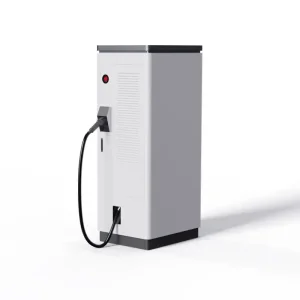
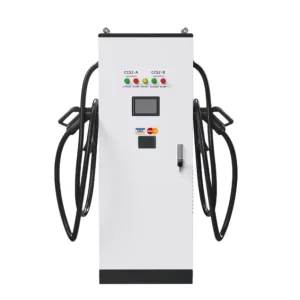
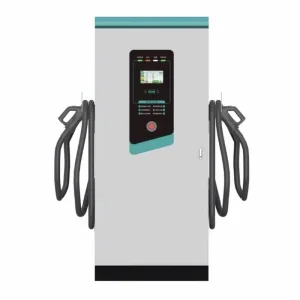
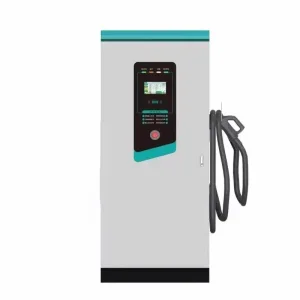
As the Democratic Republic of Timor-Leste transitions towards a sustainable, low-carbon future under its Strategic Development Plan (2011-2030), addressing transport-related emissions and high petroleum fuel imports has become a critical national priority. Over 90% of Timor-Leste’s municipal grids historically rely on diesel generation plants, which increases electricity generation costs and causes vulnerability to global fuel market shocks. Integrating Electric Vehicles (EVs) combined with local solar photovoltaics presents a strategic decarbonization pathway.
Currently, the capital city of Dili is witnessing initial private sector and public interest in vehicle electrification. However, the unique challenges of Timor-Leste's local energy infrastructure require specialized solutions. Grid volatility, frequent voltage spikes, and localized grid congestion mean that off-the-shelf residential level 2 AC chargers are insufficient for commercial vehicle fleets, hotels, and inter-district transport buses. High-power, resilient DC Fast Charging equipment configured with localized energy storage systems (ESS) represents the most viable solution to bypass regional grid limits while ensuring rapid vehicle turnaround.
Globally, DC EV charger technology has moved from low-power 50kW chargers to Megawatt charging systems capable of refilling heavy-duty electric trucks in under 30 minutes. Modern topologies utilize wide bandgap semiconductors (Silicon Carbide - SiC) to achieve power conversion efficiencies exceeding 96%. Furthermore, protocol standardization around OCPP 1.6J and OCPP 2.0.1 allows charging station operators to manage load dynamically, monitor system health, and implement flexible billing mechanisms remotely.
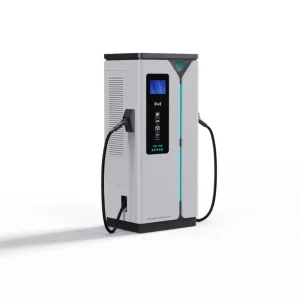
For Timor-Leste, adapting to these global advancements requires a localized approach. The primary vehicle pool in the region imports models from Southeast Asia, Australia, and China, leading to a diverse demand for CCS2, GB/T, and CHAdeMO charging connectors. Tongxing EV's multi-protocol DC charging units are uniquely structured to address this. Our hardware features redundant power module configurations: if a single 30kW module encounters an anomaly, the unit continues operating at reduced capacity rather than shutting down completely—minimizing downtime in regions where maintenance technicians may take days to arrive.
A National High-Tech Enterprise delivering industrial-grade charging infrastructure to global markets.
As an established national high-tech enterprise with 23 years of specialized power electronics engineering experience, Tongxing designs and manufactures charging systems ranging from 3.5KW residential wallboxes to 960KW ultra-fast liquid-cooled charging systems. By integrating hardware development with custom software design (OCPP 1.6J/2.0 protocol implementation, thermal simulation design, and microgrid dispatch algorithms), we provide high-reliability infrastructure customized for emerging markets like Timor-Leste.
Complete control over control board circuitry, power allocation matrix design, and firmware development, allowing customization for the regional grid limitations of Timor-Leste.
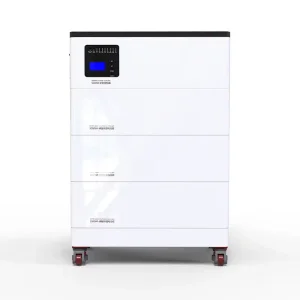
Seamless integration with PV solar generation and stationary battery storage (ESS) units to facilitate direct clean energy charging, minimizing utility grid strain.
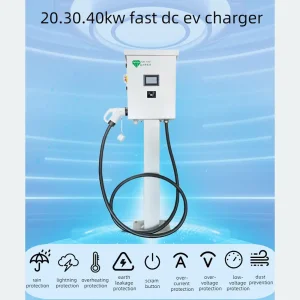
IP55 and IP65 cabinet construction featuring high-grade anti-corrosion coating, salt-mist protection, and multi-stage dehumidification filters tailored for coastal Dili environments.
Bypassing grid limitations using Photovoltaic-Energy Storage-Charging (PV-ESS-EV) Technology.
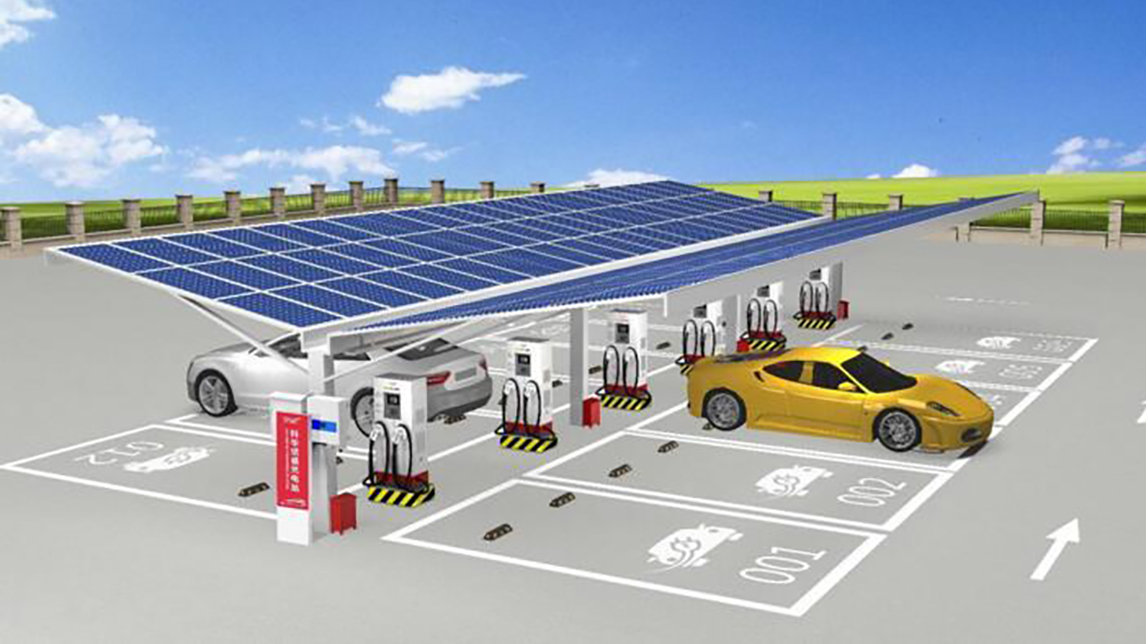
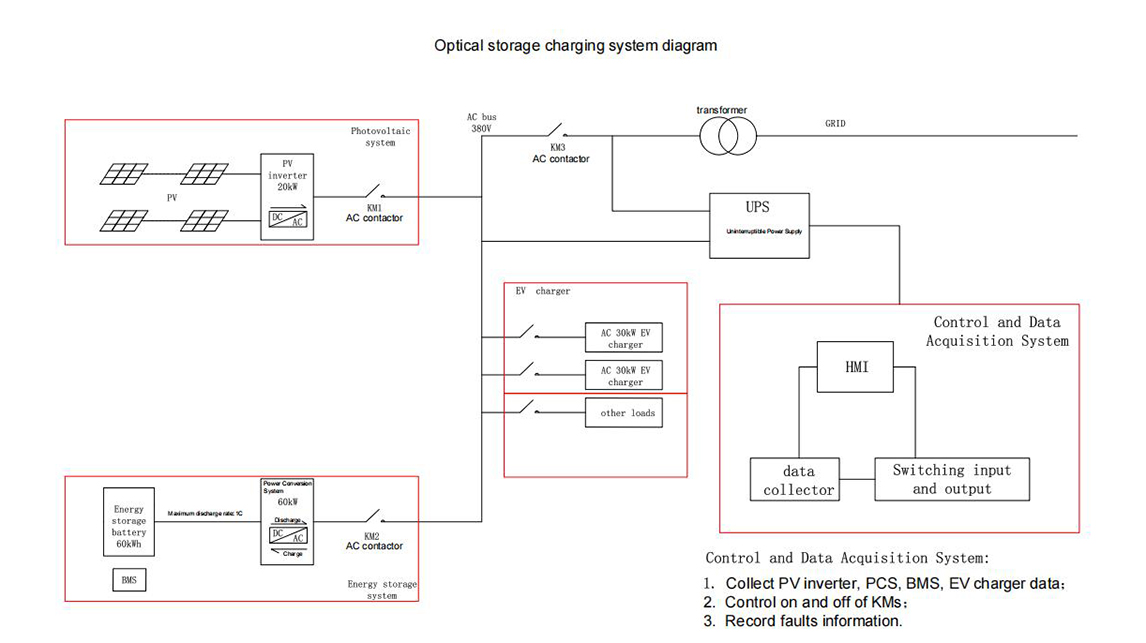
Outside of Dili, in districts such as Baucau, Viqueque, or Oecusse, the local distribution grids can experience frequent daily power disruptions. Establishing an EV transport system here requires a local generation source. Tongxing's integrated solar canopy solution uses high-efficiency monocrystalline solar modules, modular lithium iron phosphate (LFP) energy storage containers, and DC chargers connected to a local microgrid controller. During daylight hours, vehicles are charged directly from solar power. Excess energy is directed to the battery storage system to support night charging operations.
In municipal zones, connecting a 120kW or 240kW DC fast charger directly to the low-voltage network can cause local voltage drops and overload distribution transformers. By integrating a 100kWh to 500kWh stationary energy storage unit, the facility can draw power from the grid at a constant, low rate (e.g., 30kW) throughout the day to charge the storage batteries. When an EV initiates a fast charge, the storage system discharges at 120kW+ to meet the vehicle's request, minimizing demand peaks on the utility grid.

| Performance Indicator | Standard Grid-Tied Charging Setup | Tongxing PV-ESS-EV Microgrid System | Net Operational Advantage |
|---|---|---|---|
| Local Solar Utilization Rate | 0% (Direct Grid Reliance) | 85% - 95% | Maximized use of localized clean energy |
| Average Charging Energy Cost | ~0.85 USD / kWh (Standard Industrial Rate) | ~0.62 USD / kWh (Integrated Generation Cost) | 27% reduction in energy overheads |
| Grid Reliability / Downtime Protection | High vulnerability to municipal blackouts | Continuous operation via 72hr local reserve | Ensures vehicle fleet operation continuity |
| Annual Carbon Emission Offset | Depends on grid diesel utilization (~800g CO2/kWh) | Reduces carbon footprint by 40% - 60% | Supports national sustainability metrics |
How our DC charging hardware handles the environmental and electrical demands of tropical Southeast Asia.
High ambient temperatures reaching 40°C in Timor-Leste's coastal regions require advanced cooling solutions. Tongxing's chargers feature isolated cooling channels that separate the sensitive electrical components from the external airflow. This helps prevent internal dust buildup and humidity condensation, increasing the life expectancy of components to over 10 years.
Our control system uses dual processing units to monitor operations in real time. The main control board processes charging protocols and user transactions, while an independent protection board monitors current, ground insulation, leakage currents, and temperature profiles, providing rapid safety shutdowns within 10 milliseconds if an anomaly is detected.
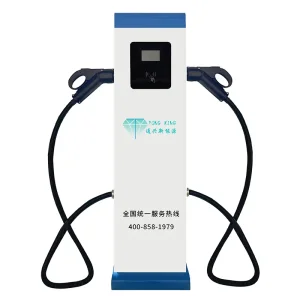
Dual-gun DC fast chargers use smart power distribution algorithms. If two EVs are connected simultaneously, the charger dynamically adjusts power output based on each vehicle's Battery Management System (BMS) request and battery level. This optimizes charging speeds and helps prevent overheating or grid overload.
In locations with limited landline internet, our chargers use integrated 4G LTE modems with automatic fallback to satellite internet terminals. They support standard OCPP 1.6J and OCPP 2.0.1 protocols, enabling remote troubleshooting, configuration updates, and integration with local digital payment systems.
Professional insights for engineers, project developers, and municipal planners in Timor-Leste.
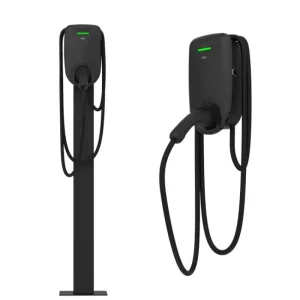
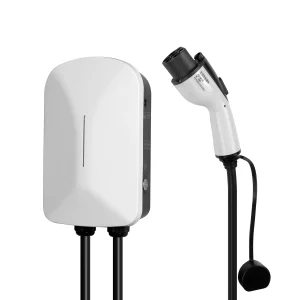
Multi-protocol charging systems, home energy storage solutions, and robust commercial fast chargers configured for Timor-Leste projects.
Get in touch with our engineering team for customized advice on grid integration, solar-powered systems, and regional equipment configurations.
 Tongxing